I asked ChatGPT, Claude and Gemini which is better out of iPhone and Android and this is what their verdicts were
See how three AI chatbots answered the iPhone vs Android question.
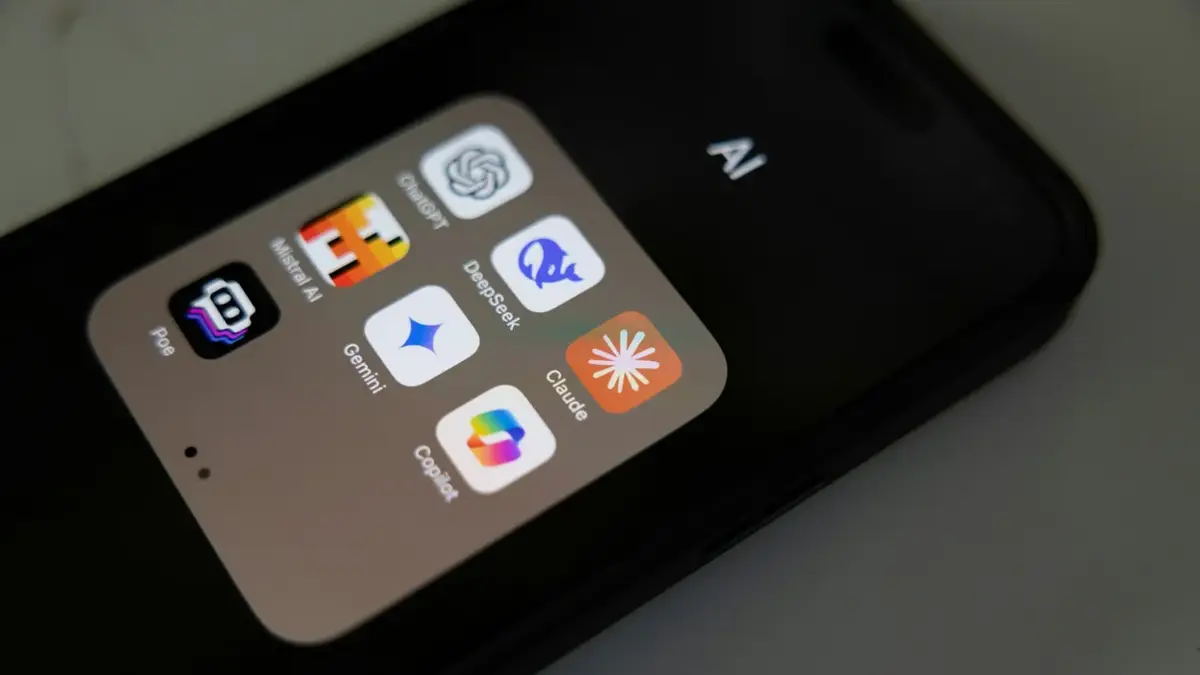

Choosing a new smartphone can feel like a surprisingly complicated decision, especially when both iPhone and Android phones have their own very loyal followings, but what do ChatGPT, Claude and Gemini have to say on the matter?
With flagship devices from companies like Apple, Samsung and Google becoming increasingly capable, there is no shortage of reasons to pick one over the other.
So I decided to ask three of the biggest AI chatbots to settle the argument for me.
ChatGPT, Claude and Gemini were all asked the same simple question: which is better, iPhone or Android?
What ChatGPT thinks is better for most people
ChatGPT gave a pretty straightforward answer, although it wasn’t exactly a landslide victory for Apple gadgets.
“If I had to give you a straight answer, I’d say iPhone is better for most people, while Android is better if you really value freedom and customization,” it said.
The chatbot highlighted Apple’s polished and consistent user experience, particularly if you already own other Apple products such as AirPods, an Apple Watch or a Mac.
It also pointed to iPhones’ cameras, particularly for video, strong app optimization and long-term software support as some of their biggest strengths.

But Android got plenty of credit too, with ChatGPT saying its biggest advantage is the amount of choice and control it gives users.
You can customize the interface much more, manage files more freely, use features such as split-screen more extensively and choose from phones ranging from inexpensive models to extremely high-end devices.
Its final verdict was pretty simple: if you want a phone that’s simple, polished and reliable, it would lean toward iPhone.
If you want a phone that lets you do more your own way, it would lean toward Android.

Claude refused to pick a winner between Android and iPhone
Claude took a slightly different approach and immediately pushed back against the idea that either operating system is objectively better.
“Honestly, it comes down to what you value more - there’s no universal ‘better’ here,” it said.
According to Claude, Android has the edge if customization, hardware variety, easier file management and Google’s ecosystem are important to you.
The AI said iPhone makes more sense if you value simplicity, Apple’s ecosystem and a polished experience straight out of the box.

It also pointed to a few more practical considerations, including resale value and iMessage and FaceTime if most of your friends and family use iPhones.
Claude’s advice was essentially to match your phone to the way you actually use it.
“If you like tinkering and control, Android gives you more freedom,” it said, while iPhone is better suited to people who want fewer decisions and things to “just work.”
So rather than picking a winner, Claude decided the answer depends entirely on what you’re looking for.

Gemini breaks the battle down feature by feature
Gemini took a more detailed approach, comparing the two operating systems across everything from hardware and customization to security and charging.
It pointed out that Android is available on phones from dozens of manufacturers, giving shoppers everything from budget devices to ultra-premium flagships.
Apple, meanwhile, controls its own hardware lineup and keeps the iPhone firmly in the premium part of the market.
Customization was another major dividing line, with Gemini highlighting Android’s custom launchers, icon packs and system-wide default apps.

It said iOS is more restrictive, but that also contributes to Apple’s uniform and polished experience.
The AI also highlighted Apple’s ecosystem as a major advantage if you already own a Mac, iPad or Apple Watch, while Android can make more sense for people heavily invested in Google’s services and smart home products.
Security was another consideration, with Gemini noting that Android’s ability to sideload apps gives users more freedom but also means they need to be more careful about where those apps come from.
And when it came to innovation, Gemini said Android manufacturers are often first to introduce features such as ultra-fast charging, reverse wireless charging and experimental AI tools.

Its final advice was similar to the other chatbots, but with a few extra conditions.
“Choose Apple if you want a reliable device that requires zero tweaking, care about high resale value, or already own other Apple devices,” Gemini said.
“Choose Android if you want a device that fits a specific budget, prefer fast charging speeds, or love personalizing your software experience.”

So, which one does AI think is better?
Interestingly, there wasn’t really a consensus.
ChatGPT leaned toward iPhone for most people, Claude refused to name an overall winner and Gemini split its answer according to the features that matter most to the individual.
But all three agreed on one thing: the answer depends heavily on what you want from your smartphone.
If you’re already deep into the Apple ecosystem and have a MacBook and iPad and want something polished that works without much tinkering, the iPhone has some obvious advantages.

If customization, hardware choice and flexibility matter more, Android offers considerably more freedom.
So perhaps asking AI to settle the iPhone versus Android debate didn’t produce the definitive answer after all, it just produced three different ways of explaining why the argument is still going - how annoying.