Latest iOS 27.2 speed test reveals unexpected performance gaps between iPhone 14 and the new iPhone 17
A new speed test puts four generations of Apple iPhones with iOS 27.2 head-to-head, but the results aren’t quite what you’d expect.
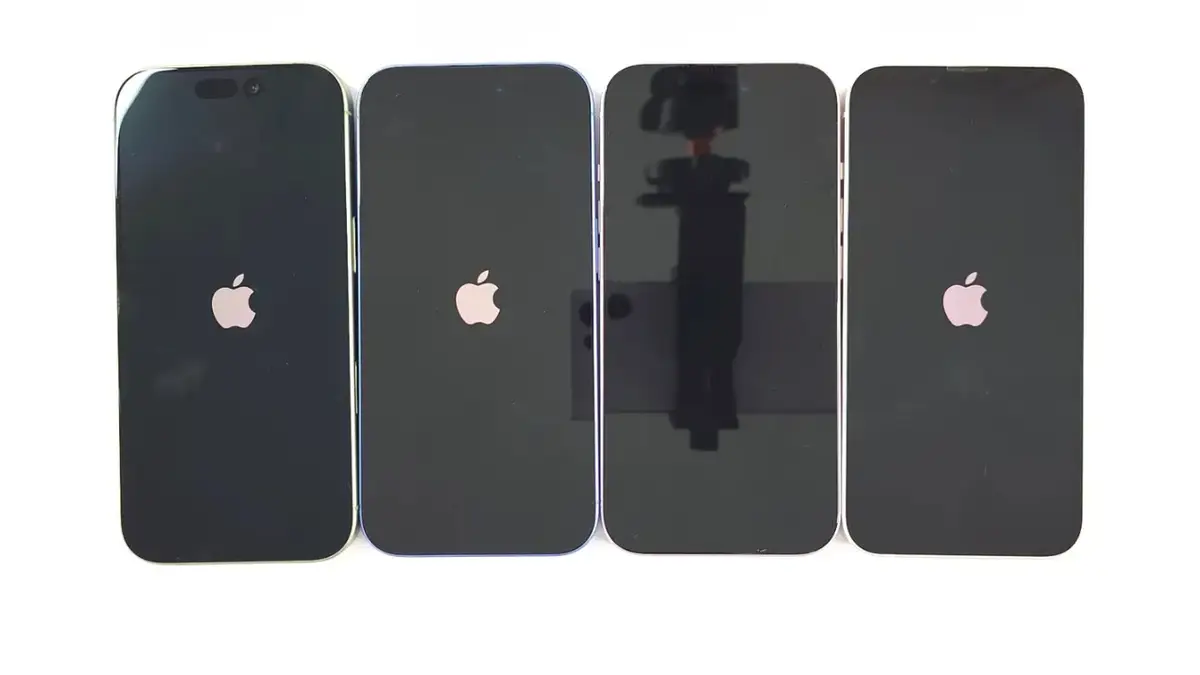

Four generations. The iPhone 14, 15, 16 and 17 were tested side by side.
Software. Every device was running iOS 27.2.
Surprise result. One of the iPhones let itself down.
The latest iOS update has given four generations of Apple smartphones the chance to go head-to-head in a speed test.
The comparison featured the iPhone 14, iPhone 15, iPhone 16, and iPhone 17, with every device running iOS 27.2.
While the newest model generally came out on top, some of the results were less predictable than expected.
One older model struggled particularly badly, while another quickly became a fan favorite among viewers.
Apple’s latest software update has been put to the test across four generations of iPhone, with some interesting results.
Four iPhones go head-to-head in latest speed test
The gadget comparison featured the iPhone 14, iPhone 15, iPhone 16 and iPhone 17, with all four devices running the same version of Apple’s operating system, iOS 27.2.
The test by PhoneBar looked at how quickly each phone could complete everyday tasks, including restarting and opening apps.

The newest iPhone generally came out on top, with the iPhone 16 following closely behind.
However, there were a few unexpected moments that made the results more interesting.
The iPhone 15 struggled while the iPhone 16 impressed viewers
The iPhone 17 generally delivered the quickest performance, which isn’t particularly surprising given its newer hardware.
The iPhone 16 usually followed, with the iPhone 15 and iPhone 14 bringing up the rear.
However, things weren’t quite as straightforward when the phones were put through their restart and app-loading tests.

The iPhone 15 was particularly slow during some of these tasks, making it the weakest performer in certain parts of the comparison.
That doesn’t necessarily mean the iPhone 15 is a bad phone, though, because performance can vary depending on the task, background processes, and the condition of each device.
Interestingly, the iPhone 16 became something of a fan favorite in the YouTube comments.

One viewer pointed out that the iPhone 16 and 17 have 8GB of RAM, compared with 6GB in the iPhone 14 and 15, but suggested that the new iOS 27.2 update wasn’t making the most of the extra memory.
They wrote: “iOS 27 is so unoptimized that even the 8 GB iPhone 16 and 17 have almost the same apps still keep in the background like 6GB’s iPhone 14 and 15”.

Another viewer was more straightforward with their praise, commenting: “I’ve realized that the iPhone 16 is excellent!”
Someone else even joined the discussion to show off their own device, writing: “I’m watching on my new iPhone 16 black”.

Is upgrading to a newer iPhone worth it?
The comparison offers an interesting look at how Apple’s smartphones perform across several generations when running identical software.
While the iPhone 17 generally came out ahead, the iPhone 16 showed that last year’s hardware can still put up a strong fight.
The iPhone 15’s slower moments were also a reminder that newer software doesn’t always translate into identical performance improvements across every generation.
Of course, this was one comparison rather than a controlled laboratory benchmark, so it doesn’t tell the whole story about long-term performance.
A history of iPhones
- September 16, 2022
Apple released the iPhone 14.
- September 22, 2023
The iPhone 15 arrived, bringing USB-C charging to the standard iPhone lineup.
- September 20, 2024
Apple launched the iPhone 16, introducing the A18 chip.
- September 19, 2025
The iPhone 17 arrived with Apple’s newer generation of hardware.