Artist creates camouflage shirt that’s specially designed to fool AI surveillance cameras and how it works is surprisingly simple
It’s no invisibility cloak, but it shows how differently AI sees.
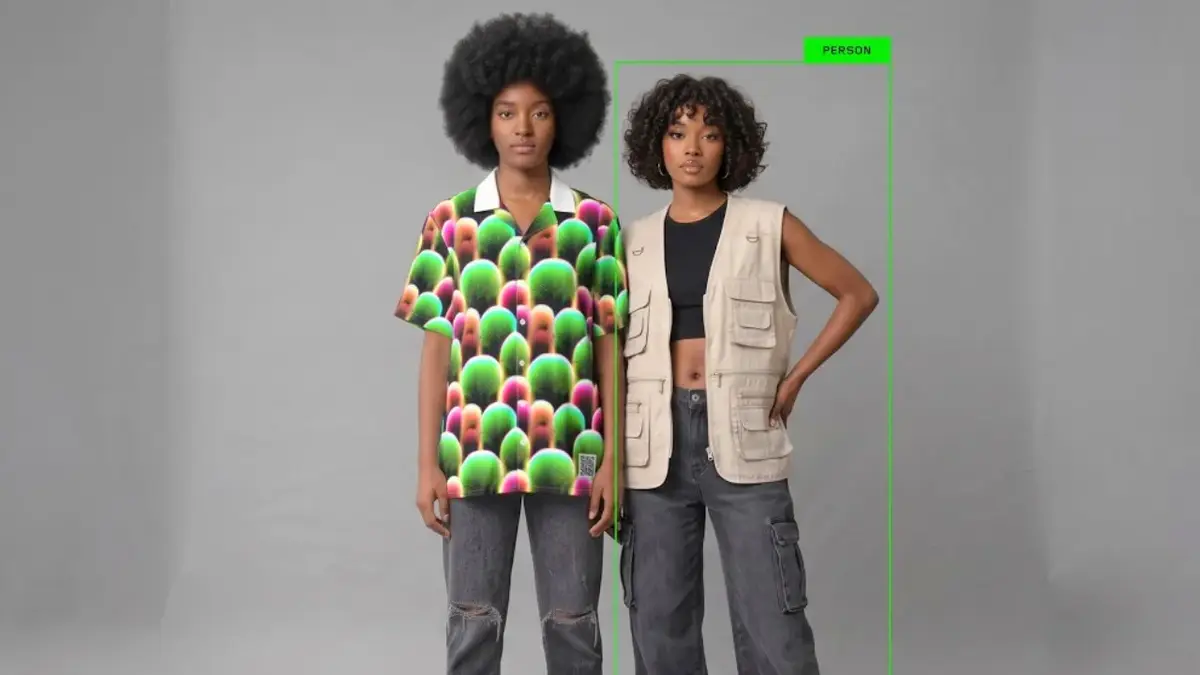

A Berlin artist has created a bizarre-looking shirt that can make its wearer effectively disappear from certain AI surveillance systems - it’s like camouflage
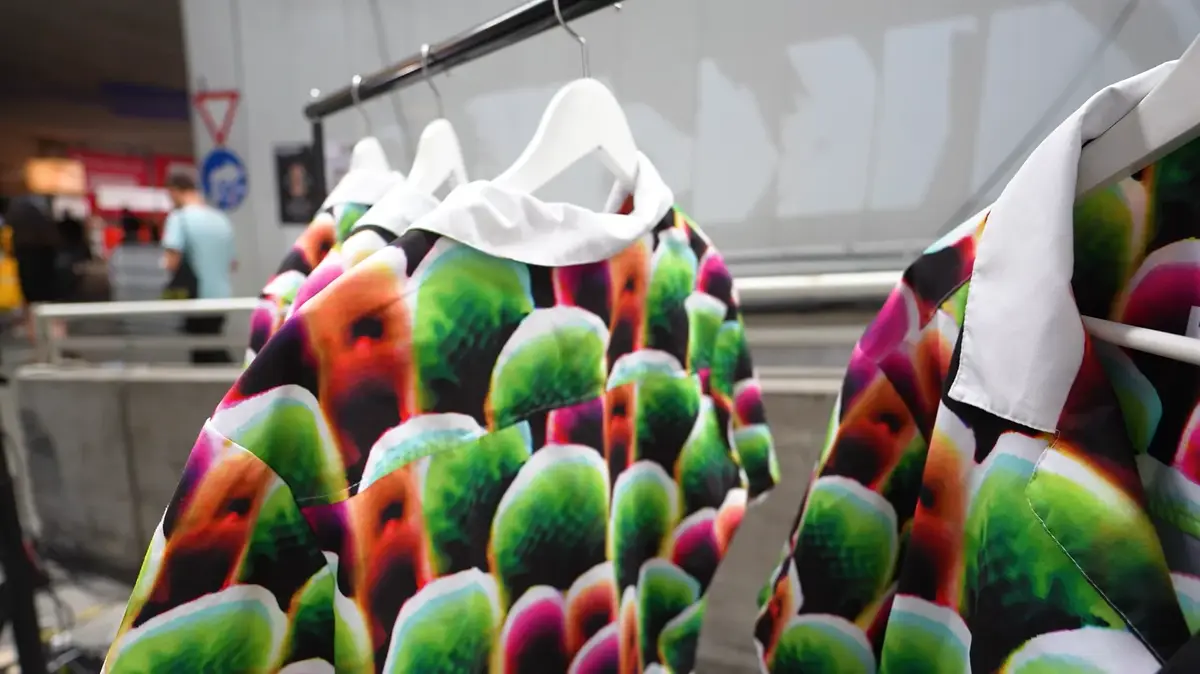
At first glance, the Digital Camouflage shirt looks more like an extremely loud Hawaiian shirt than a piece of cutting-edge technology.
But its chaotic pattern was deliberately designed to confuse the computer vision software increasingly being used to identify people in public spaces.
And the way Simon Weckert managed to do it is surprisingly simple once you understand how AI actually sees the world.
The camouflage shirt is designed to fool AI cameras
Simon Weckert’s Digital Camouflage is a wearable art project created in response to the growing use of futuristic AI-powered surveillance.
The shirt is covered in a colorful, abstract pattern featuring bright green, pink, and orange shapes that overlap across the fabric, but to a human looking at it, the design is simply loud and slightly hypnotic.
To an AI object-detection system, however, it can look like something completely different.
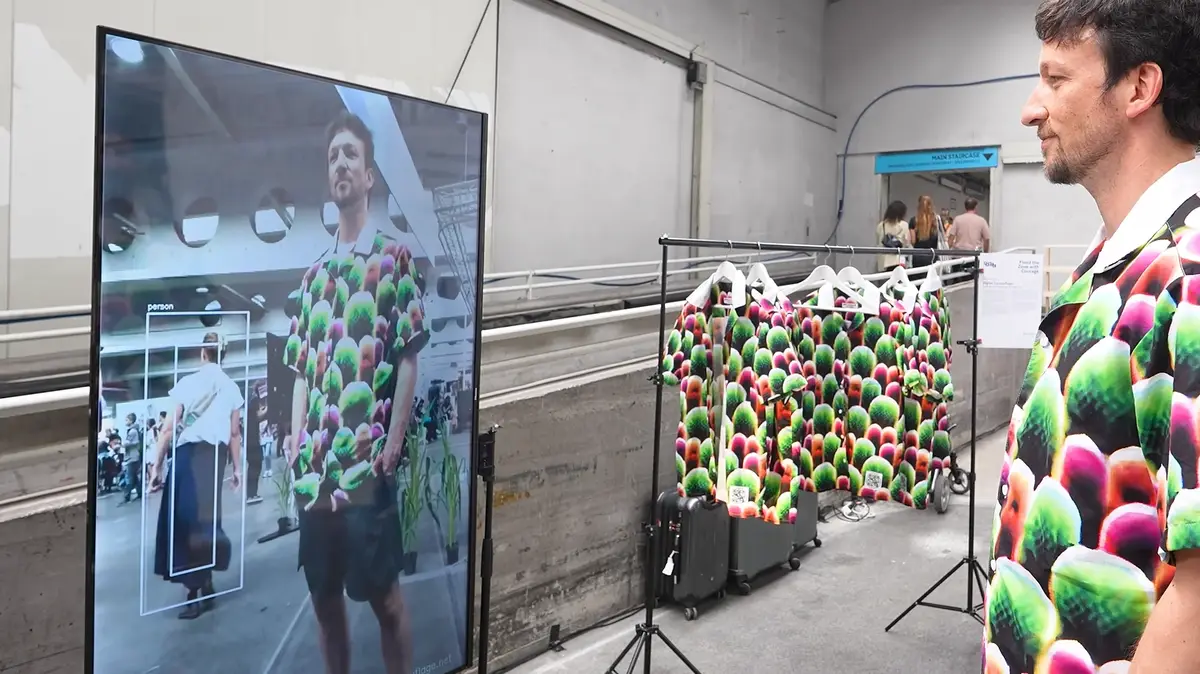
Weckert tested the shirt against YOLO, an open-source family of object-detection models widely used for identifying objects in camera footage.
In demonstrations, the system placed boxes around other people in the scene and labelled them as ‘person’ - but failed to register the person wearing the Digital Camouflage shirt.
The artist says the shirt was developed as a response to AI surveillance being introduced at Berlin’s Kottbusser Tor, where computer vision technology is being used to analyze activity in public spaces.
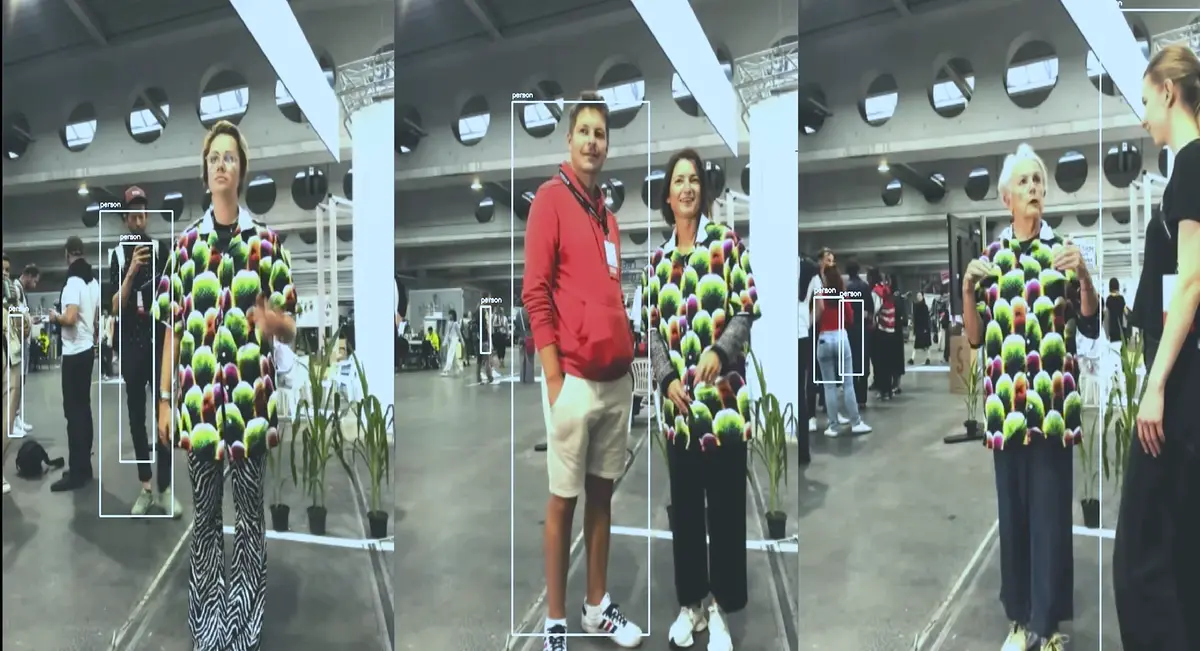
The important part is that the shirt isn’t actually making someone invisible. Instead, it is designed to interfere with the process an AI model uses to decide whether somebody is a person.
And that’s where things get particularly interesting.

Here’s how it actually works
Computer vision systems don’t see an image in quite the same way that humans do.
Instead, they analyze patterns in the pixels and look for visual characteristics they have learned to associate with particular objects.
When a model is trying to identify a person, it can use things such as edges, textures, shapes and the overall arrangement of the human body to make its prediction.
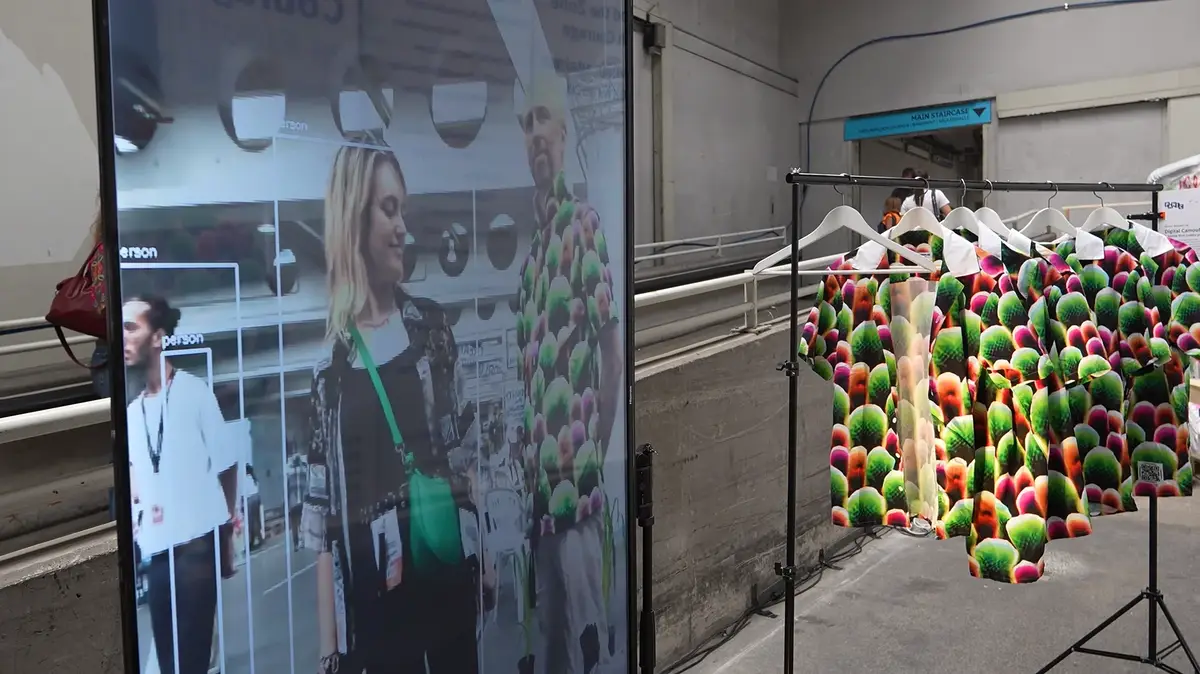
Digital Camouflage essentially throws a wrench into that process.
The pattern was created using what’s known as an adversarial attack, where visual information is deliberately manipulated to cause an AI model to make a mistake.
Weckert’s pattern was developed and tested against YOLO-based person detection, with the design targeting the features the model relies on when trying to recognize a human figure.
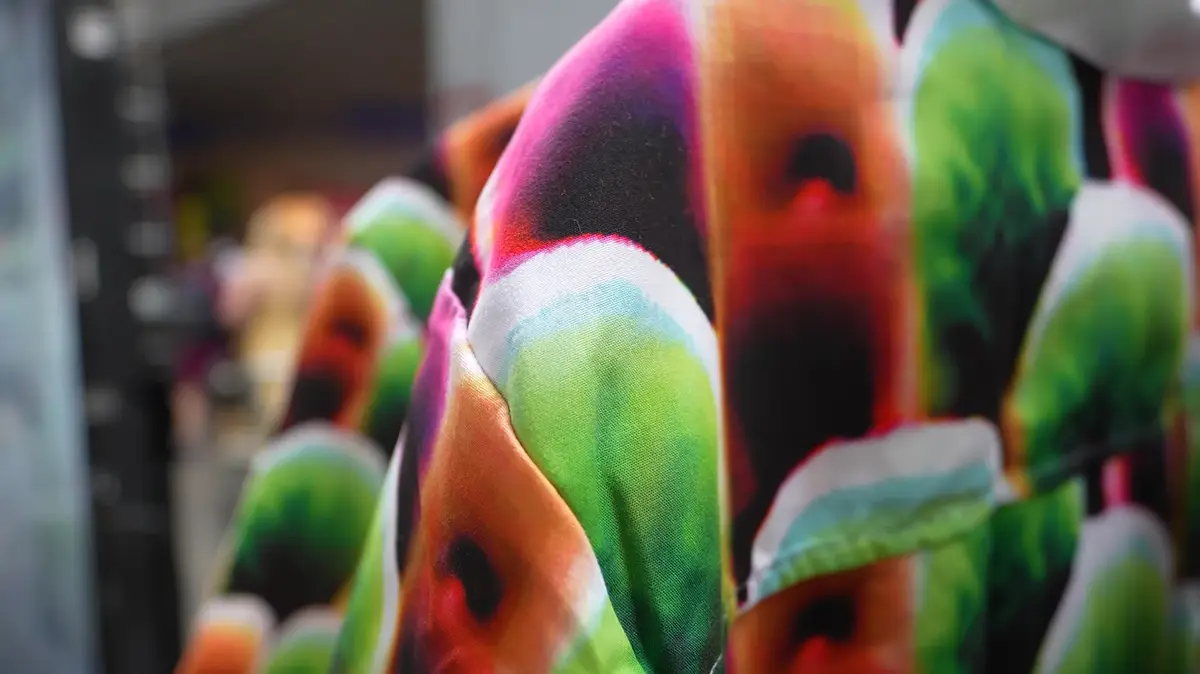
The result is a shirt that looks perfectly visible to a human while potentially causing the detector to lose confidence that there is a person standing in front of it.
This isn’t a magic invisibility cloak, though, because Weckert is very clear that the results depend on the specific AI model being used, as well as factors including distance, camera angle, and lighting.
He also makes no claim that the shirt will defeat the specific surveillance system operating in Berlin, because the technology behind that system isn’t publicly available for independent testing.
That limitation arguably makes the project even more interesting.
Rather than promising to make people completely anonymous, Digital Camouflage is intended to demonstrate just how differently humans and machines can interpret the exact same image.
Weckert has made a career out of tricking tech, once pretending to Google Maps that he was a one-man traffic jam.
And while a person might see an incredibly bright shirt coming from a mile away, the right AI system could potentially look straight at it and fail to see the person wearing it.