Boston Dynamics gives Atlas humanoid robot a strange upgrade using parts found at a local store
The robotics company has fitted its humanoid with ordinary scooter rims to see how hard it can push the robot’s motors and its AI training.
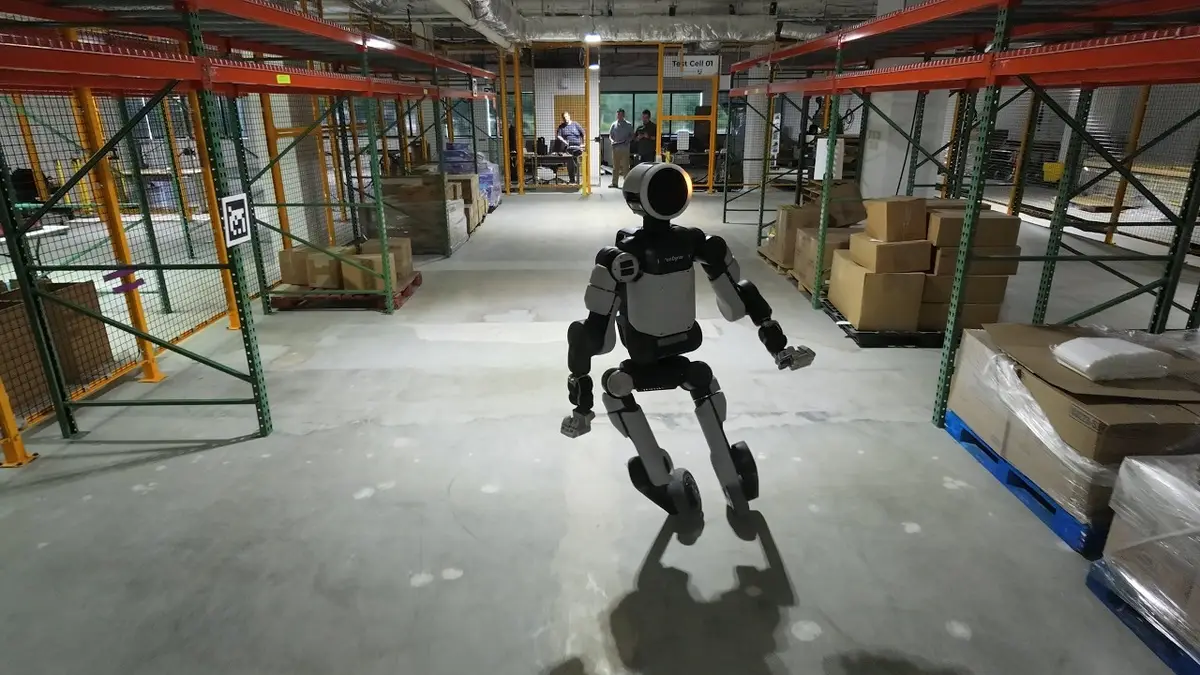

Strange upgrade. Boston Dynamics swapped the feet of its Atlas robot for commercially available scooter rims.
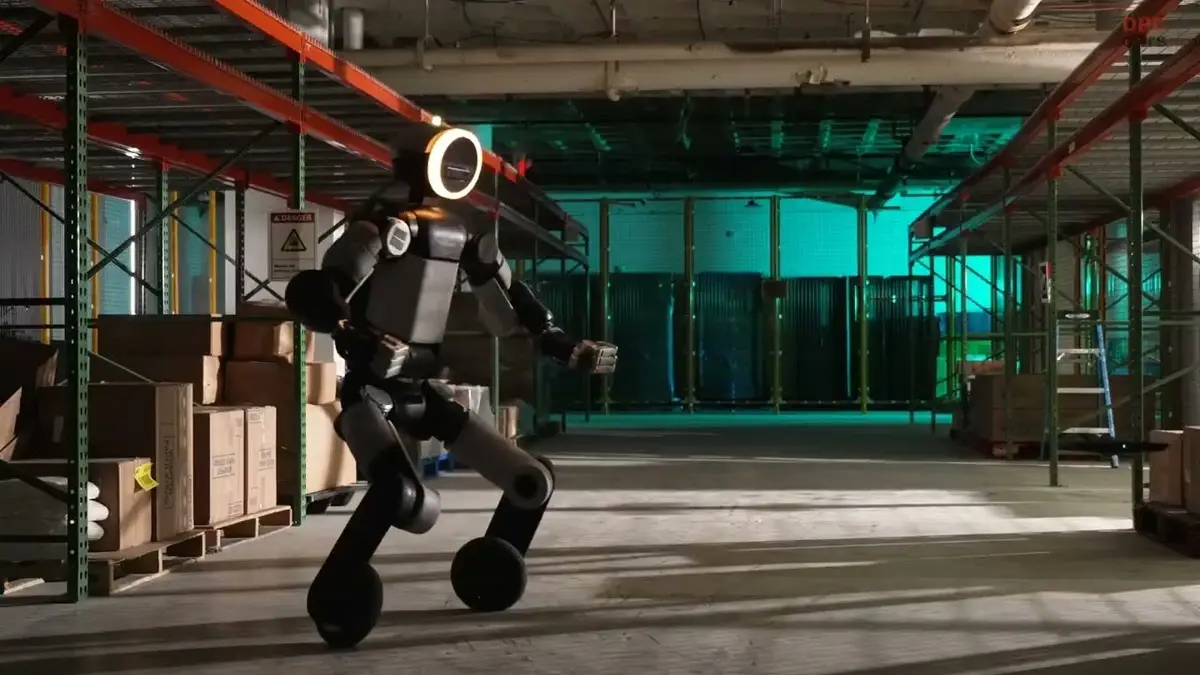
New tricks. On wheels, Atlas can slide sideways and pull off a 360-degree jump.
Research goal. The test pushes the robot’s motors through high speeds and torque demands.
AI training. Engineers trained Atlas with reinforcement learning across millions of simulated scenarios.
Boston Dynamics has released a video titled ‘Atlas on a Roll’ showing its Atlas humanoid robot rolling, sliding sideways and even pulling off a 360-degree jump on wheels.
Engineers temporarily swapped the robot’s feet for commercially available scooter rims, attached to its existing ankle actuators with a custom adapter on each side.
As Robotics & Automation News reports, the setup let researchers test the motors across a wide range of speeds and torque demands.
Will this be a new product?
The wheels are not a sign that a rolling Atlas is coming to factories.
Boston Dynamics controls engineer Xiaoyu (Andy) Wu says: “A wheeled Atlas isn’t a product. It’s a research testbed.”
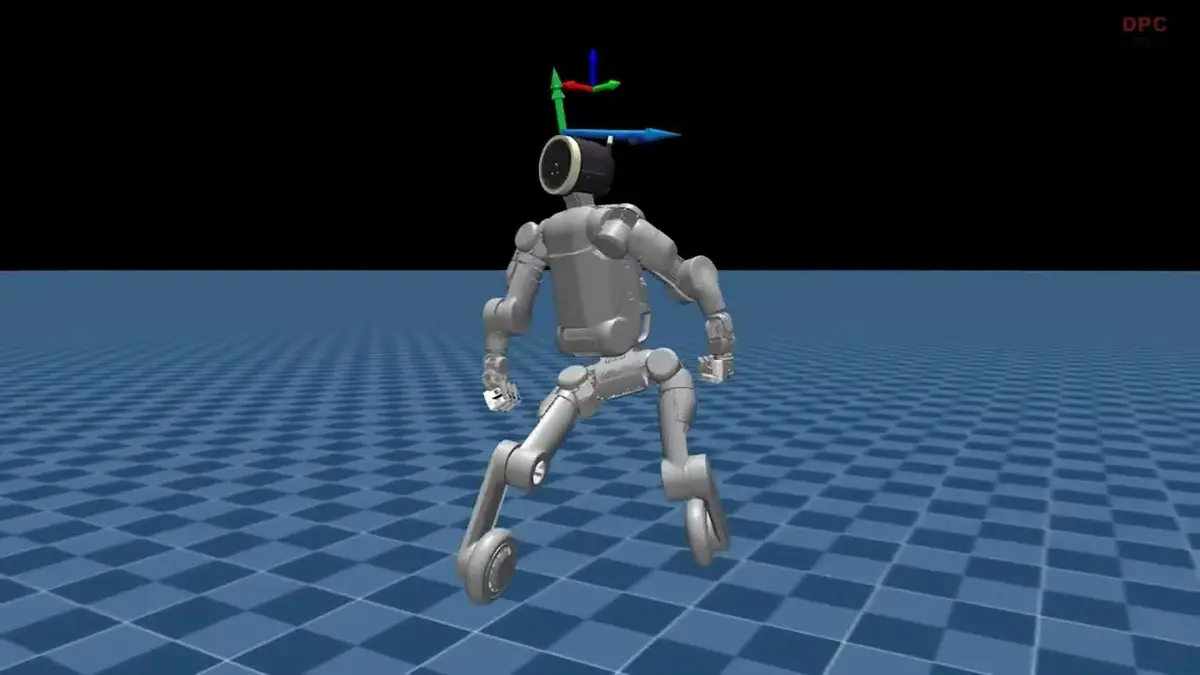
The real aim is to check how accurately movements learned in simulation carry over to the physical robot.
If the simulated motors behave differently from the real ones, a robot can learn moves it can’t reliably repeat in the real world.
How Atlas learned to roll
The team trained Atlas with reinforcement learning, a technique where the robot develops its own movement strategies through repeated practice in simulation.
According to Aiweekly, the training ran in Google DeepMind’s MuJoCo physics engine.
Boston Dynamics ran millions of simulated scenarios before moving the learned behaviors onto the real robot.
Video: Boston Dynamics on YouTube
Some moves, including the sideways slides, started from recordings of people, which the robot then adapted to its wheels.
The 360-degree jump came from a recording of a person doing the same move.
Wu says: “It was fascinating to see these little tricks emerge on their own. Give the policy wheels, and it figures out how to use them.”
What it means for the walking Atlas
The wheeled setup stays in the lab, but what the team learned is already going back into the standard two-legged robot.
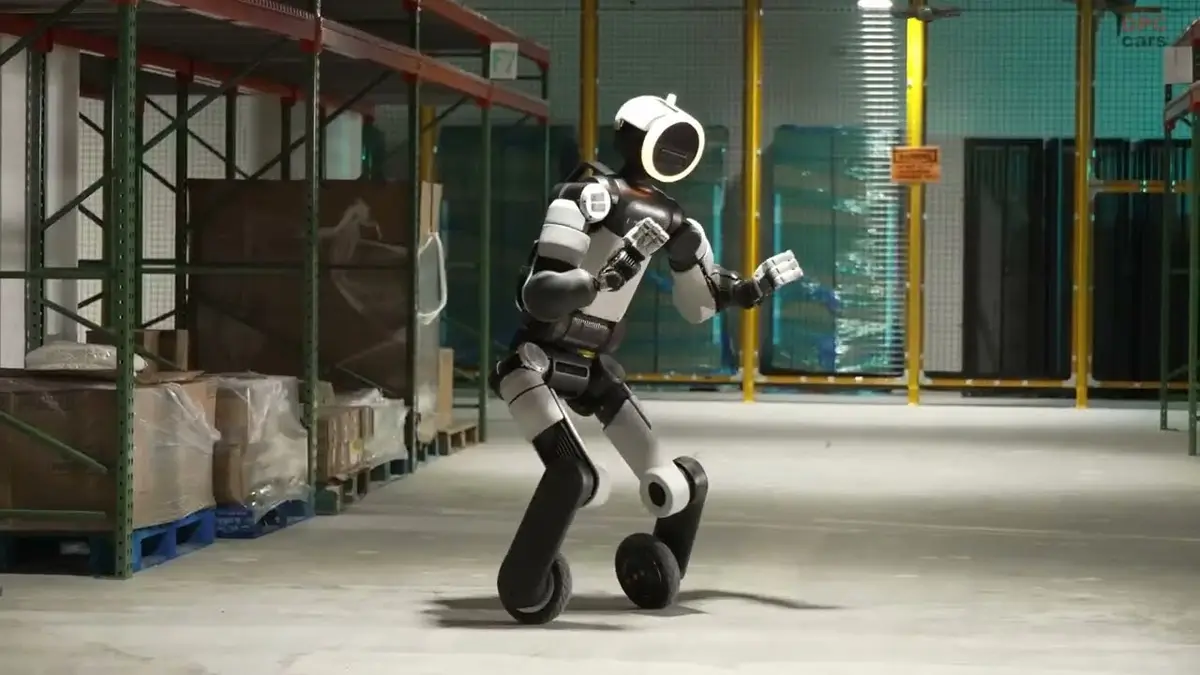
Researchers are using it to improve how Atlas copes with a failing actuator and other unexpected problems.
The walking Atlas is also heading for more real-world work: The Korea Daily reports that GlobalFoundries plans to test it at its chip plants starting next year, its first industrial trial outside the car industry.